Professional Sewer Line Repair Services in Pierce County
Fast Diagnostics & Trenchless Sewer Repair Across Orting, Puyallup, Tacoma & Greater Pierce County
A cracked, collapsed, or root-clogged sewer pipe creates hazardous waste backups and threatens your home’s foundation. Led by local owner Richie Ross, the licensed technicians at RossCo Service Plumbers locate subterranean line breaks quickly using high-resolution sewer cameras. Whether you need an emergency service plumber in Orting or a specialized sewer repair in Tacoma, we fix the damage while keeping lawn excavation to a minimum.
Need help diagnosing a mainline backup? We offer upfront estimates with clear, transparent pricing.
Diagnosing Sewer Line Failures & Root Intrusion
Underground sewer pipes constantly deal with shifting soil, driveway vehicle loads, and invasive tree roots searching for water. Fine root tips force their way through tiny joint seams or hairline cracks, expanding into dense masses that trap waste and toilet paper. This buildup restricts flow, forces sewage back into low-lying fixtures, and can crush fragile clay, cast iron, or Orangeburg pipes.
We run high-resolution video cameras through your line to pinpoint structural flaws without digging up your property. The camera feed reveals the exact depth, location, and severity of cracks, offset joints, or root blockages. Catching these issues early lets us clear the line mechanically and perform targeted spot repairs before a complete pipe collapse occurs.
Common Warning Signs
Multiple fixtures backing up at once, sewer gas smells near the basement or yard, gurgling toilets when washing machines drain, or soggy patches of lawn over the buried pipe.
Structural Risks
Ignoring root intrusions or line offsets leads to complete pipe collapse, raw sewage flooding under foundations, and expensive soil remediation.
Trenchless Pipe Bursting & Targeted Excavation
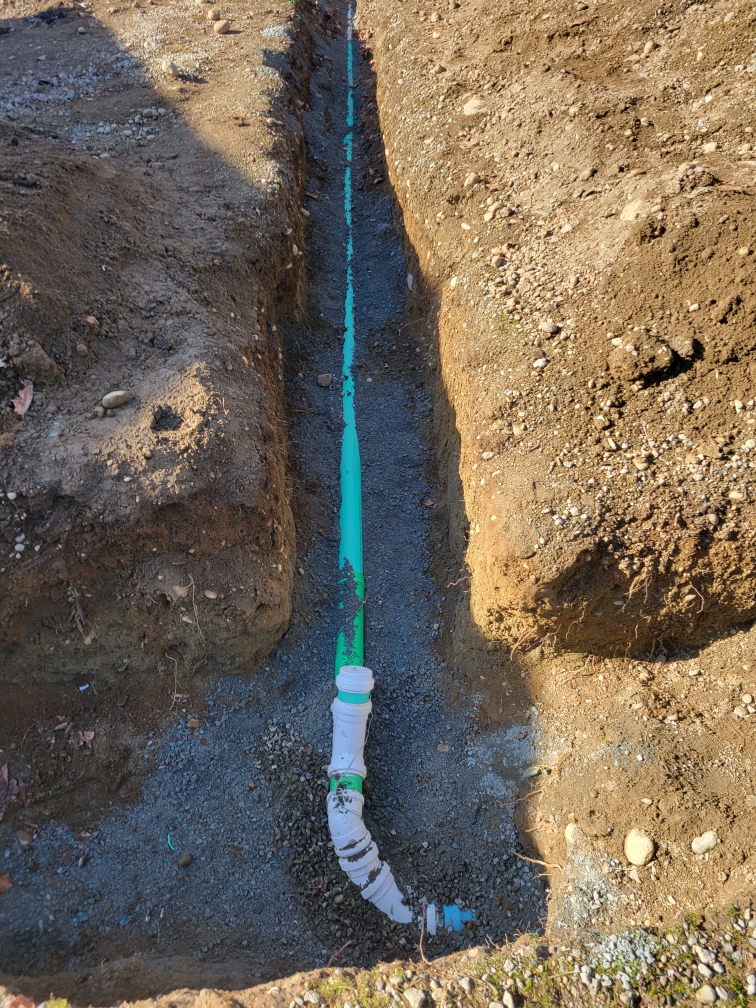
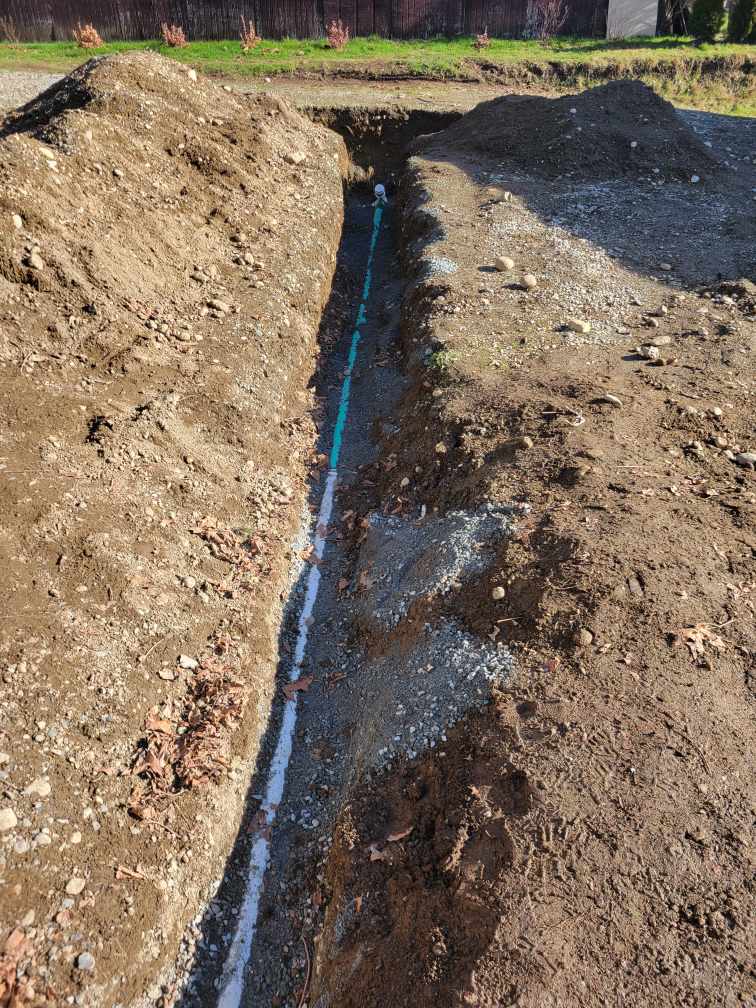
A damaged main line does not automatically mean turning your entire yard into a trench. While severe structural collapses or deep pipe sags occasionally require traditional digging, we prioritize minimally invasive solutions whenever possible.
For widespread pipe failure, we perform trenchless plumbing sewer line repair using hydraulic pipe bursting. We pull a seamless, high-density polyethylene (HDPE) pipe directly through the old fractured line. The new HDPE pipe crushes the original material outward as it slides into place, creating a root-proof, corrosion-resistant sewer line with just two small entry and exit pits.
HDPE Durability
Smooth interior walls resist chemical corrosion and friction wear, maintaining steady gravity flow for decades.
Minimal Lawn Impact
Trenchless methods protect driveways, patios, and established landscaping from heavy excavation equipment.
Frequently Asked Questions
Who pays for sewer line repairs between the home and the city main?
Property owners maintain the complete line from the house to where it joins the city sewer. The utility’s responsibility only covers the central street pipe.
Can chemical root killers permanently fix a root-infested sewer line?
No, chemical treatments only burn off small root tips inside the pipe without sealing the entry point. Roots inevitably return within a few months until the physical crack or separated joint is mechanically repaired or replaced.
What causes a sewer line belly and how is it fixed?
A sewer belly is a sagging pipe section caused by soil settlement, poor compaction, or shifting ground. Because sewer lines rely on gravity flow, standing water and solid waste settle in the low spot, causing recurring clogs. Fixing a belly requires excavating the sagged section, re-establishing a solid dirt bed, and laying new pipe at the proper slope.
How long does a typical sewer line repair take?
Spot repairs and trenchless pipe bursting usually take one to two business days. This timeframe covers camera diagnostics, pipe installation, pressure testing for code compliance, and backfilling access pits.
Why does my yard smell like sewage if indoor drains flow normally?
Smelling sewage in your yard usually indicates a cracked cleanout pipe or a shallow line break. If the leak sits on a slope, wastewater can drain straight into the dirt without ever backing up inside your home. Running a camera through the line pinpoints the break fast.
Ready to Fix Your Main Sewer Line?
Don’t let a subterranean line break damage your yard or flood your home. Richie Ross and our local crew at RossCo Service Plumbers provide honest diagnostics, clear upfront pricing, and fast response times across Pierce County.