Drain Repair Services | RossCo Service Plumbers
A sluggish or clogged drain is more than just a nuisance. It’s a direct threat to your home. When a sink, tub, or main line backs up, standing water can quickly damage your cabinets, drywall, and flooring.
Get fast, dependable residential and commercial drain repairs throughout Pierce County and South King County. Licensed technicians pinpoint the exact source of the failure and implement clean, permanent solutions to get your plumbing flowing smoothly again.
Fixing Leaky Sinks, Stubborn Clogs, and Foul Odors
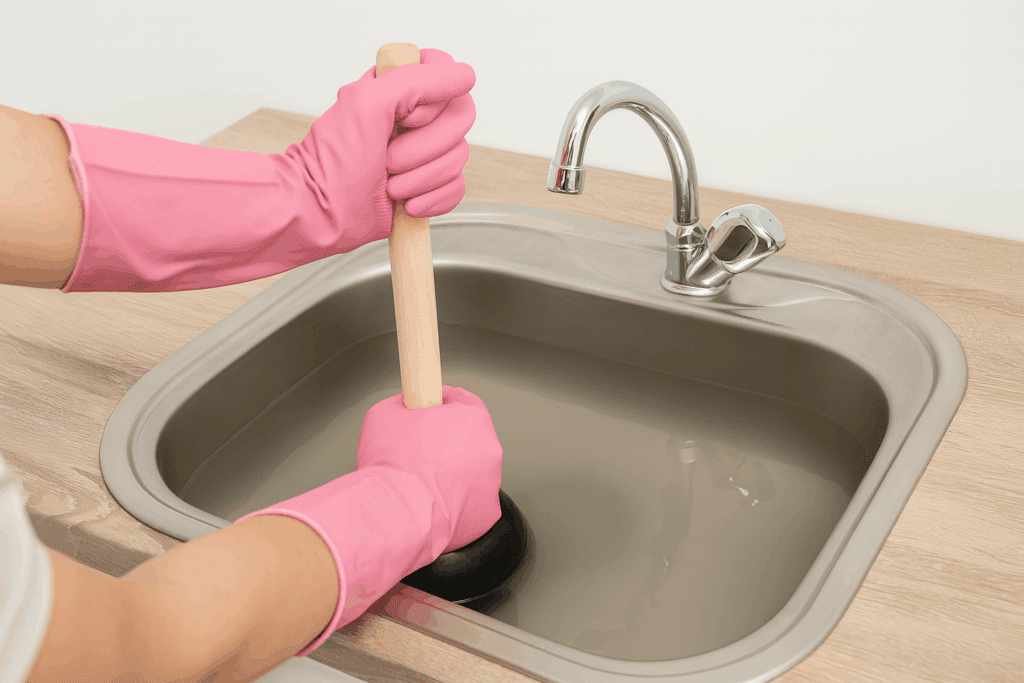
That U-shaped pipe under your kitchen or bathroom sink (the P-trap) has a critical job: it holds a small pool of water to block toxic sewer gases from entering your home.
Because these pipes handle constant daily use, years of rushing hot and cold water, combined with garbage disposal vibrations, take a toll. Over time, plastic threads crack, seals dry out, and connections shift. The result is a sudden, messy leak that rots out your cabinets and subflooring.
Get the problem fixed for good with professional drain repairs that include:
- Removing degraded or cracked trap parts to instantly stop leaks.
- Clearing out stubborn sludge and buildup hiding further inside the wall lines.
- Installing heavy-duty, commercial-grade pipes that are perfectly aligned and sealed against future shifting.
What should you look for when choosing a reliable drain repair service?
Ensure your plumbing technicians are fully licensed in Washington state. Look for a team that uses camera-assisted inspections to find the root cause and relies on precise mechanical tools rather than harsh chemical pour-ins that corrode older metal pipes.
Fixing Sagging and Cracked Pipes Inside Walls and Crawlspaces
Some of the worst plumbing problems happen completely out of sight. The drain lines hidden inside your crawlspaces and beneath your floors must slope downward at a precise angle to keep waste moving.
When support hangers loosen, or a house naturally settles, these hidden lines sag. This creates “bellies” in the pipe that trap grease, hair, and sludge, leading to constant, frustrating backups. Left alone, a sagging pipe can eventually crack or break off, spilling wastewater behind your walls or beneath your home.
Fix hidden drain failures quickly before they cause major structural damage. Repairs include cutting out the damaged sections, splicing in durable, modern ABS or PVC piping, and re-anchoring the line with heavy-duty straps to correct the slope permanently.

How to tell if a hidden wastewater pipe is failing
Watch for these clear warning signs that you need a professional drain line repair:
Multi-fixture backups
Multiple sinks, toilets, or tubs backing up simultaneously.
Wall noises
Persistent gurgling or bubbling inside wall cavities when a toilet flushes.
Mystery dampness
Stained, soft, or damp spots on your drywall or ceilings.
Bad odors
A distinct sewer gas smell near crawlspace access points.
Adding Easy-Access Cleanouts to Keep the Mess Outside
Many older homes in Western Washington lack accessible drain cleanouts. Without these vital access points, clearing a major clog or running a diagnostic camera requires pulling up your toilets or completely dismantling delicate under-sink plumbing. This turns a routine service call into a stressful, messy ordeal inside your living space.
Avoid the headache by installing modern, heavy-duty cleanout fittings directly onto your main waste lines. Placing these threaded access caps in utility areas or outside your foundation walls makes future maintenance simple, fast, and ensures any messy backups stay completely outside your home.
Frequently Asked Questions
Why do my drains make a distinct gurgling sound when the toilet is flushed?
Gurgling sounds usually mean your plumbing system is starved for air or the main line is restricted. When a large volume of water flows down the drain, it creates a vacuum behind it. If the plumbing vent stack on your roof is blocked or the drain line itself is heavily restricted, the system pulls air down through your fixture P-traps, causing the water inside them to bubble and gurgle.
Can a slow-draining shower line be completely resolved with a standard hardware snake?
A manual hardware snake can clear hair or surface debris near the strainer, but it cannot fix a sagging pipe or strip away thick grease and soap scum accumulation further down the branch line. If a drain moves slowly again shortly after being snaked, a professional evaluation is required to check for an improper pipe angle.
What causes a kitchen sink drain connection to leak underneath the cabinet?
Leaks under kitchen sinks are usually caused by degraded slip-joint washers, loose locknuts, or physical damage to the P-trap assembly. Constant temperature swings from hot to cold water, combined with minor vibrations from a garbage disposal, can cause these thin plastic or brass joints to shift and loosen over time.
Why should I avoid using chemical liquid drain cleaners on a stubborn backup?
Chemical drain cleaners rely on harsh acids that generate intense heat to dissolve blockages. These harsh chemicals can warp or crack plastic lines and accelerate corrosion in older cast iron or copper waste lines, leading to hidden leaks behind your drywall.
What is a drainage line slope, and why is it critical for preventing recurrent clogs?
Proper horizontal drain routing requires a precise downhill slope, typically 1/4 inch of drop per foot of horizontal pipe run. If a line is installed flat or sags over time, the water slows, causing solid waste, hair, and heavy grease to settle at the bottom of the channel and form a rock-hard blockage.