Piping Repair Services | RossCo Service Plumbers
RossCo Service Plumbers provides precise water line diagnostics and mechanical restorations throughout Pierce County and South King County. When internal supply lines crack, corrode, or split, timely professional intervention stops hidden leaks from ruining insulation and weakening your structural framing. Our licensed technicians isolate the source of your delivery system failure and implement clean, durable solutions to ensure long-term pressure security.
Diagnosing Pinholes and Copper Line Degradation
Indoor water supply networks encounter steady internal chemical wear over decades of daily use. The natural minerals and chemical properties of flowing water continuously interact with the interior walls of older metal lines, leading to localized pitting corrosion. This slow electrochemical reaction gradually eats away at the material from the inside out, thinning the pipe walls until tiny pinhole leaks develop. These small failures frequently escape notice for weeks, quietly dripping behind drywall or beneath flooring.
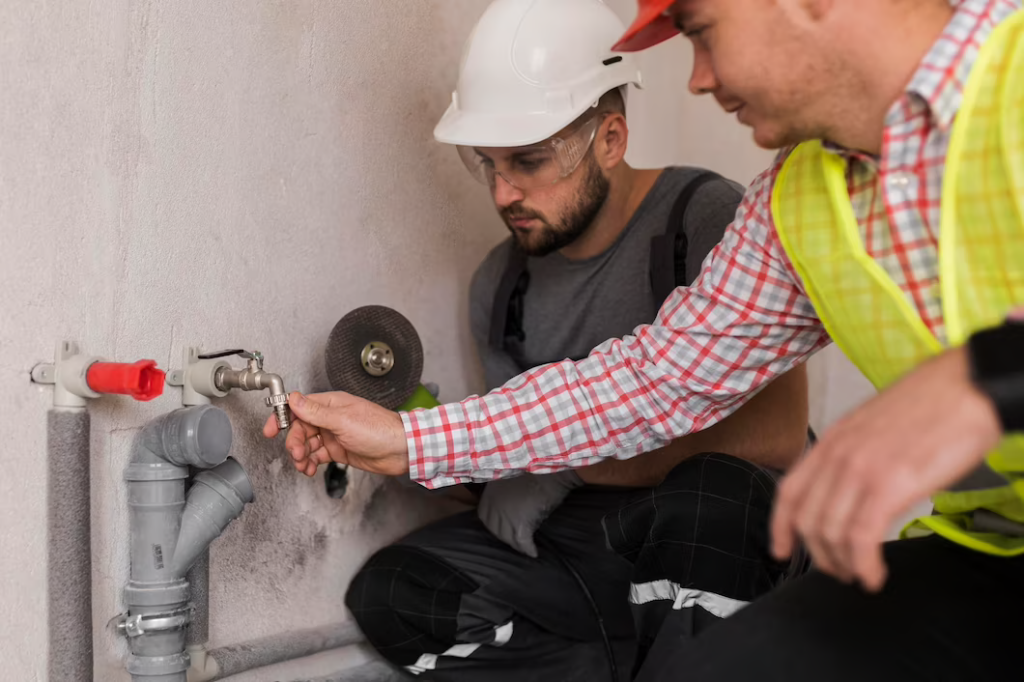
Our technicians stabilize compromised copper pipes and plumbing networks by performing targeted mechanical modifications. We isolate the failing branch line, evaluate the structural integrity of the surrounding pipe wall, and execute clean cutouts of the weakened segments. By soldering in fresh material or installing commercial-grade press fittings, we re-establish a permanent, pressure-tested seal that handles municipal supply surges without weeping.
What are the early indicators of hidden corrosion in copper pipes and plumbing?
Early indicators of hidden corrosion in copper pipes and plumbing include a gradual drop in fixture water pressure, faint blue-green oxidation crusts forming near exposed basement joints, and localized dampness or discoloration along finished baseboards.
Mechanical Splicing for Freeze-Induced Failures
Extreme winter weather and sudden cold snaps create massive internal hydraulic stress within domestic supply lines. When plumbing lines pass through unheated zones like attic spaces, overhangs, or exterior rim joists, standing water can quickly freeze solid. Because water expands as it turns to ice, it traps a column of water between the ice blockage and the closed fixture valve. This creates thousands of PSI of hydrostatic pressure, eventually splitting open copper, CPVC, or older PEX lines.
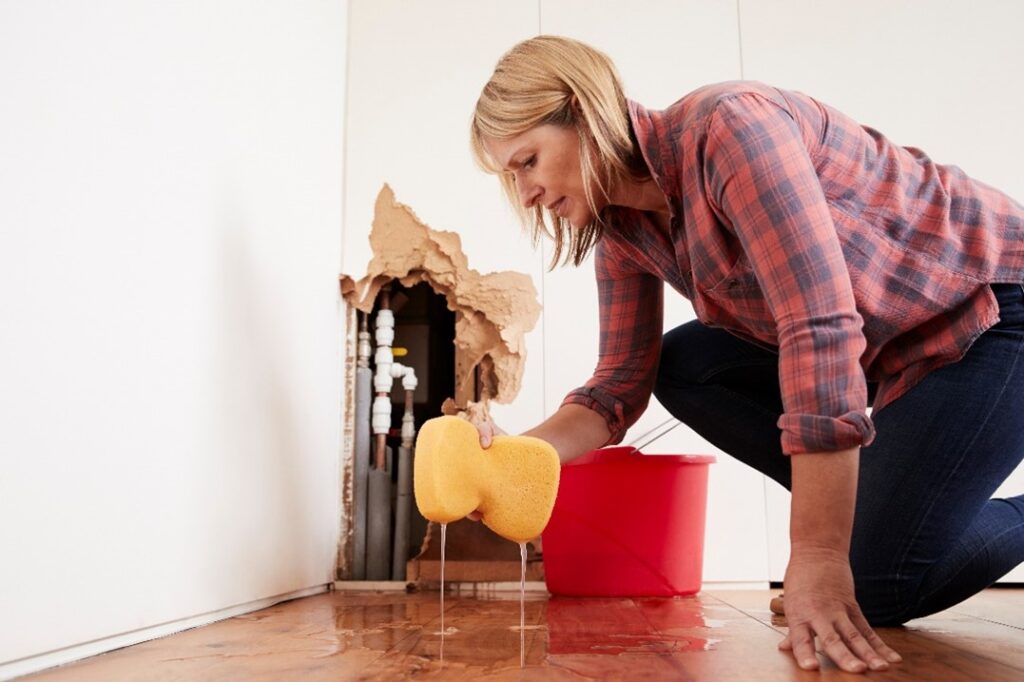
When these structural ruptures occur, immediate mechanical action is vital to minimize widespread interior water damage. Our team delivers fast, structured burst-pipe repair services to restore your property’s water supply. We shut down the main zone valves, cleanly extract the ruptured sections of piping, and splice in durable replacements designed to accommodate thermal expansion. We also ensure the newly repaired sections are properly insulated to protect against future sub-zero temperature drops.
Frequently Asked Questions
What is galvanic corrosion, and how does it cause unexpected pipe leaks?
Galvanic corrosion happens when two dissimilar metals, such as copper and galvanized iron, are connected directly without a specialized dielectric union fitting. The physical contact triggers an electrochemical reaction that rapidly accelerates the breakdown of the weaker metal, destroying the pipe threads and causing a major joint leak.
Why do hot water supply lines tend to develop pinhole leaks faster than cold water lines?
Higher water temperatures naturally speed up the chemical reactions and oxidation rates that degrade the interior of metal piping. This heat can also cause dissolved gases to release more aggressively, leading to localized turbulent pitting along the channel walls. Furthermore, hot water lines undergo constant thermal cycling because they expand significantly when hot water flows and contract as they cool. This repetitive physical movement imposes continuous fatigue on the pipe material, causing the walls to thin and develop pinhole failures much faster than in cold-water branches.
Can a small pinhole leak be permanently fixed using a slip-on rubber repair clamp?
No. Slip-on clamps and wrap-around patches are temporary stabilization tools designed only to stop active flooding until a plumber arrives. Because a pinhole indicates that the surrounding pipe wall has thinned out due to internal corrosion, the only permanent, code-compliant solution is to cut away the weak section and splice in new pipe.
How does excessive water pressure contribute to early piping and joint failures?
Municipal water pressure exceeding 80 PSI causes high velocity inside your plumbing lines. This excessive force creates turbulence that erodes the interior walls of pipe elbows and places constant mechanical strain on joints, valves, and appliance connections, leading to premature structural failures.
What immediate steps should I take if a water pipe bursts inside a wall?
Turn off your property’s main water shut-off valve immediately to stop the flow of pressurized water. Once the main valve is closed, open the lowest faucets on the property to drain the remaining water from the vertical pipes, thereby relieving residual system pressure and helping stop the active leak more quickly.